Latest FDI Policy in India with Sector-Wise Limits
Under the FDI policy framework, India allows foreign investors to hold up to 100% ownership in many sectors. Depending on the sector and applicable rules, investors can invest either through the Automatic Route or with prior government approval.
Key Investment Routes
Automatic Route: Under this route, foreign investors can invest in eligible sectors without obtaining advance permission from the government or the Reserve Bank of India (RBI).
Government Route: Under this route, investors must obtain prior approval from the concerned government ministry before investing.
Sectors Allowing 100% FDI through the Automatic Route
Manufacturing and IT: Foreign investment of up to 100% is permitted without requiring prior government approval.
Agriculture & Animal Husbandry: 100% FDI is allowed in activities such as horticulture, floriculture, and seed production, subject to applicable conditions.
Infrastructure & Renewable Energy: Full foreign investment is permitted in areas including power generation, roads, ports, and greenfield airports.
E-commerce: 100% FDI is permitted under the marketplace-based e-commerce model, subject to the prescribed regulations.
Sectors with FDI Limits or Government Approval
Defence: FDI up to 74% is allowed through the Automatic Route for eligible new industrial licences, while investment up to 100% may be permitted through the Government Route in cases involving advanced technology.
Private Sector Banking: Foreign investment can reach 74%, with investment up to 49% allowed automatically and higher investment requiring government approval.
Public Sector Banking: Foreign investment is restricted to 20% and requires approval through the Government Route.
Media & Broadcasting: FDI in news-related print and digital media is limited to 26% and is subject to the Government Route.
Prohibited Sectors
Foreign investment is not permitted in the following sectors in India:
Gambling and Betting: FDI is not allowed in businesses related to gambling or betting.
Lottery Business: Foreign investment is prohibited in lottery-related activities.
Chit Funds and Nidhi Companies: These businesses are excluded from receiving foreign investment.
Atomic Energy and Railway Operations: FDI is prohibited in atomic energy and railway operations, except for activities permitted under applicable regulations.
Foreign investors, including companies and individuals, are allowed to invest up to 100% in Indian companies and intermediaries through the Automatic Route. In addition, SEBI introduced the Single Window Automatic and Generalized Access for Trusted Foreign Investors (SWAGAT-FI) regulatory framework, which came into effect on June 1, 2026.
Under the FDI Policy 2026, the earlier 74% foreign investment limit for Indian insurance companies and intermediaries has been increased to 100% through the Automatic Route. The policy also permits FDI of up to 10% from countries sharing a land border with India through the Automatic Route, subject to the applicable conditions.
This guide provides an overview of the major changes introduced under the FDI Policy 2026, along with their potential benefits for foreign investors and the applicable sector-wise FDI limits in India.
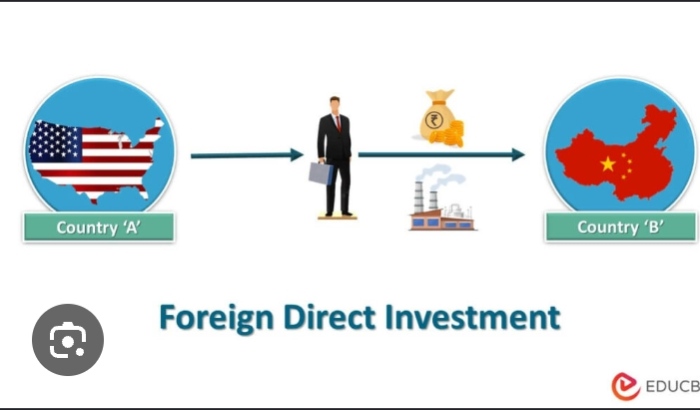
What is FDI (Foreign Direct Investment) Policy in India?
Foreign Direct Investment (FDI) refers to investment made by individuals, companies, or other entities from outside India in an Indian business with the intention of establishing a long-term financial interest. Such investors generally seek a meaningful role in the company and may participate in its management and decision-making. An investment of 10% or more of the share capital is generally considered sufficient to establish a lasting interest and significant shareholder rights.
In India, FDI is primarily governed by the Foreign Exchange Management Act, 1999 (FEMA), the Foreign Exchange Management (Non-Debt Instruments) Rules, 2019, and the consolidated FDI policy issued by the government. The Reserve Bank of India (RBI) and the Department for Promotion of Industry and Internal Trade (DPIIT) play important roles in implementing and overseeing the country's foreign investment framework. The RBI, in particular, is responsible for regulating foreign exchange transactions and monitoring the relevant FEMA provisions governing foreign investment.
India’s FDI Policy in 2026
India’s FDI policy in 2026 has introduced greater openness in certain sectors while maintaining tighter controls in others. Following the March 2026 amendment to Press Note 3, investors from countries sharing a land border with India—including China, Pakistan, Bangladesh, Nepal, Bhutan, and Afghanistan—may invest up to 10% without controlling ownership through the Automatic Route, without obtaining prior government approval. Investments above this limit, as well as investments involving control by entities from China or Hong Kong, continue to require government approval.
At the same time, the insurance sector has been opened further to foreign investment. Insurance companies and insurance intermediaries can now receive up to 100% FDI through the Automatic Route. However, LIC remains subject to a 20% foreign investment limit.
Frequently Asked Questions (FAQs) on Latest FDI Policy in India
1. What is the latest FDI policy in India?
India’s FDI framework allows foreign investors to invest in Indian businesses subject to sector-specific limits, entry routes, and applicable conditions. Most sectors permit up to 100% FDI through the Automatic Route, while certain sensitive sectors require Government approval.
2. What are the two main routes for FDI in India?
FDI can generally enter India through two routes:
Automatic Route: No prior Government approval is required.
Government Route: Prior approval from the concerned Government authority is required.
3. Which sectors allow 100% FDI through the Automatic Route?
Several sectors permit up to 100% FDI through the Automatic Route, subject to sector-specific conditions. Examples include manufacturing, construction development, airports, pharmaceuticals in specified circumstances, renewable energy and insurance following the 2026 policy change.
4. What is the FDI limit in the insurance sector in 2026?
Under Press Note No. 1 (2026 Series), FDI in insurance companies has been increased to 100% through the Automatic Route. Insurance intermediaries can also receive up to 100% FDI through the Automatic Route. Life Insurance Corporation of India (LIC) remains subject to a 20% limit.
5. Is 100% FDI allowed in insurance intermediaries?
Yes. FDI up to 100% through the Automatic Route is permitted in insurance intermediaries, including insurance brokers, reinsurance brokers, insurance consultants, corporate agents and other specified entities.
6. What is the FDI limit in the banking sector?
FDI limits vary according to the type of banking institution and applicable regulations. Private-sector banking permits foreign investment up to 74%, subject to the prescribed route and conditions, while public-sector banks have a 20% FDI cap.
7. What is the FDI limit in the defence sector?
The defence sector permits FDI up to 74% through the Automatic Route for eligible activities. Investment beyond 74%, up to 100%, may be permitted through the Government Route where the prescribed conditions, including those relating to modern or state-of-the-art technology, are satisfied.
8. What is the FDI limit in pharmaceuticals?
FDI up to 100% is permitted in the pharmaceutical sector. For greenfield projects, 100% FDI is allowed through the Automatic Route. For brownfield projects, investment up to 74% is permitted automatically, while investment beyond 74% requires the Government Route.
9. Is 100% FDI allowed in manufacturing?
Yes. Manufacturing is generally open to 100% FDI through the Automatic Route, subject to applicable laws and sector-specific conditions.
10. What is the FDI limit for e-commerce in India?
FDI up to 100% through the Automatic Route is permitted in the marketplace model of e-commerce, subject to the conditions prescribed under the FDI policy. The inventory-based e-commerce model is subject to separate restrictions.