Growth of Digital Payments in India After UPI
Since UPI was launched in 2016, digital payments in India have grown at a remarkable pace. The number of transactions increased from around 2 crores in FY 2016–17 to more than 24,162 crores in FY 2025–26. Today, UPI handles nearly 85% of the country's digital payment volume and has helped India become a leading nation in real-time digital transactions.
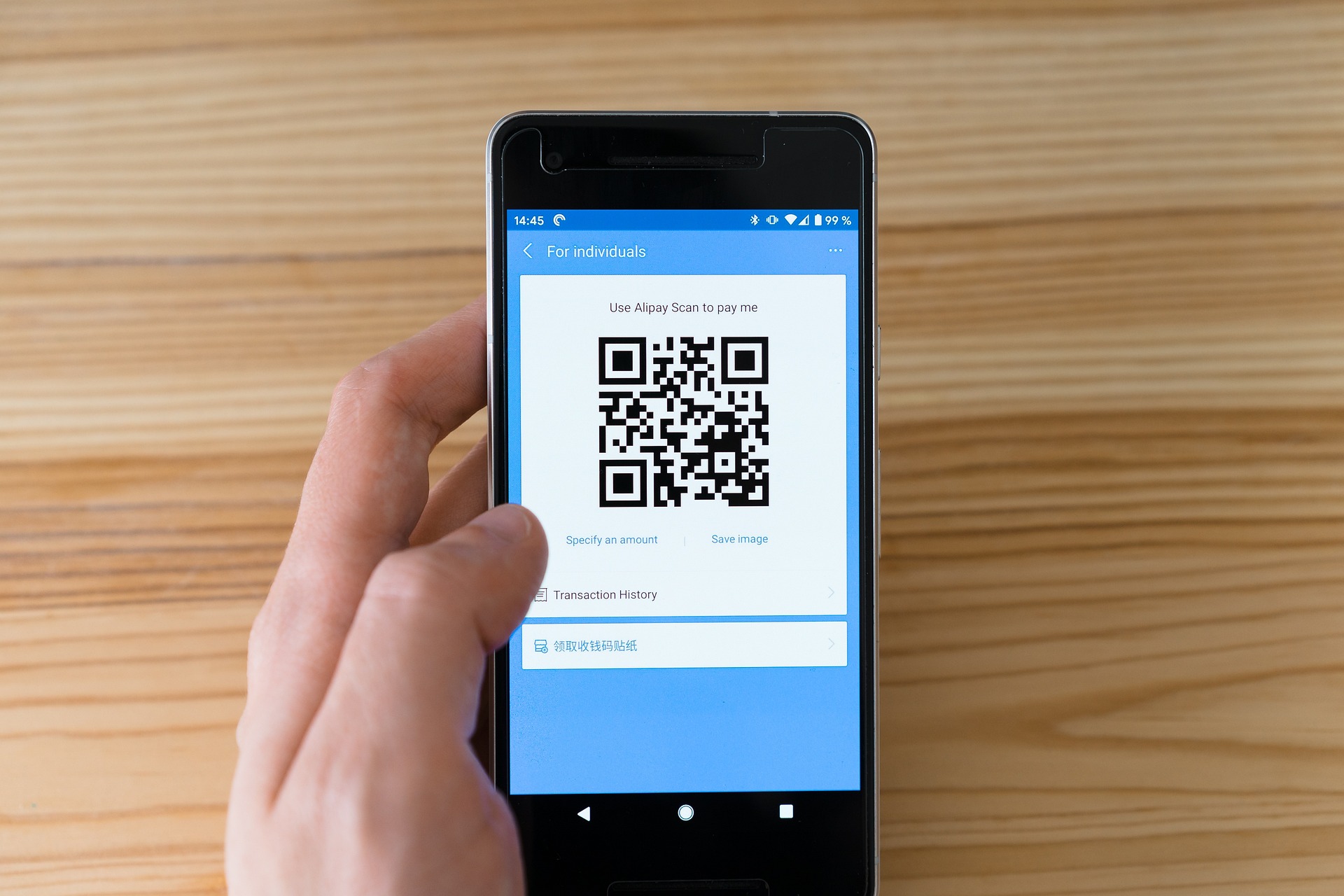
Key Growth Milestones
Huge Transaction Growth: UPI monthly transactions have grown significantly, crossing the 2,000-crore level and reaching record highs of more than 2,260 crore transactions.
Growing Merchant Usage: UPI has become widely accepted among small and local businesses, with more than 94% of them using it for everyday payments.
Better Financial Access: The number of banks connected to the UPI network has increased sharply, from just 21 at launch to more than 700 partner banks.
Expansion Beyond India: UPI has also increased its international presence by connecting with real-time payment systems in several other countries, supporting faster cross-border transactions.
Structural Shifts in the Economy
Reduced Use of Cash: UPI has gradually replaced cash for many small and frequent purchases, especially everyday transactions below ₹500.
More Formal Transactions: The growing use of digital payments has created better transaction records, helping reduce dependence on the informal economy and making tax-related monitoring easier.
Ongoing Policy Discussions: There is continued discussion about whether a small merchant discount rate (MDR) should be charged on certain high-value transactions to help cover the costs of maintaining and improving digital payment infrastructure.
India’s digital payment system has changed significantly over the past few years, particularly after the introduction of mobile wallets and the Unified Payments Interface (UPI). This study looks at the major factors behind the growth of digital payments, changing user preferences, and the challenges that still affect their wider use. It focuses on how people are gradually moving from cash-based payments towards digital methods. A mixed-method approach was used, combining secondary information with a survey of 55 participants. The findings suggest that UPI has become the preferred digital payment option because it is simple to use, quick, and secure. Mobile wallets still have a role in some specific areas, but issues such as limited infrastructure, security concerns, and inadequate digital awareness remain important challenges. The study concludes with suggestions for making India’s digital payment system more inclusive, reliable, and sustainable.
Related Work
Many researchers have studied the growth and development of digital payments in India. Their work mainly focuses on areas such as the factors that influence people to use digital payment methods, technological advancements, user preferences and behaviour, and changes in government regulations. These previous studies help in understanding how India’s digital payment system has developed over time and provide a useful background for the research discussed in this study.
Role of Demonetization
Kumar and Rani (2018) noted that the 2016 demonetization played an important role in increasing the use of digital payments in India. The sudden shortage of cash encouraged people as well as businesses to look for convenient alternatives, including mobile wallets and UPI-based payment services.
Unified Payments Interface (UPI) as a Gamechanger
Chakrabarty (2020) described UPI as a major development in India’s financial system because it allows people to make secure and instant bank-to-bank payments through an interoperable platform. The study highlighted UPI’s simple interface, affordable transaction costs, and strong government backing as some of the main reasons behind its rapid adoption.
Contribution of Fintech Companies
Rastogi and Mehrotra (2019) studied how fintech companies like Paytm, PhonePe, and Google Pay encouraged people to trust and use digital payment services. They found that cashback offers, utility payment facilities, and easy-to-use app designs helped attract more users. The study also pointed out that fintech companies made digital payments easier to access for a wider section of people, especially in Tier-1 and Tier-2 cities.
FAQs: Growth of Digital Payments in India After UPI
1. What is UPI?
UPI, or Unified Payments Interface, is an instant payment system that allows users to transfer money directly between bank accounts using a mobile device.
2. When was UPI introduced in India?
UPI was introduced in India in 2016 by the National Payments Corporation of India (NPCI).
3. How did UPI change digital payments in India?
UPI made digital payments faster, simpler, and more convenient by allowing users to transfer money instantly without needing to enter lengthy bank account details for every transaction.
4. Why has UPI become so popular in India?
UPI has gained popularity because of its easy-to-use interface, instant transactions, wide availability, and integration with numerous banking and payment applications.
5. How has UPI reduced the use of cash?
UPI made it easier for people to make small everyday payments digitally, including payments at shops, restaurants, transport services, and other local businesses.
6. What role did smartphones play in the growth of digital payments?
The increasing availability of smartphones and affordable internet services made it easier for people to access mobile banking and UPI-based payment applications.
7. How has UPI helped small businesses?
UPI allows small businesses and local merchants to accept digital payments without requiring expensive payment infrastructure. This has encouraged more merchants to participate in the digital economy.
8. Has UPI contributed to financial inclusion?
Yes. UPI has helped bring digital payment services to a wider population by making bank-to-bank transactions accessible through mobile devices.
9. What is the role of fintech companies in UPI adoption?
Fintech companies have encouraged UPI usage through simple applications, cashback offers, bill-payment facilities, QR codes, and other user-friendly features.
10. How has UPI contributed to India's digital economy?
UPI has supported the growth of digital commerce, improved the speed of transactions, increased payment transparency, and encouraged businesses and consumers to adopt cashless payment methods.