ESG Investing Trends in India for Beginners
In India, ESG investing considers a company's performance on environmental protection, social responsibility, and good governance, as well as its potential to deliver financial returns.
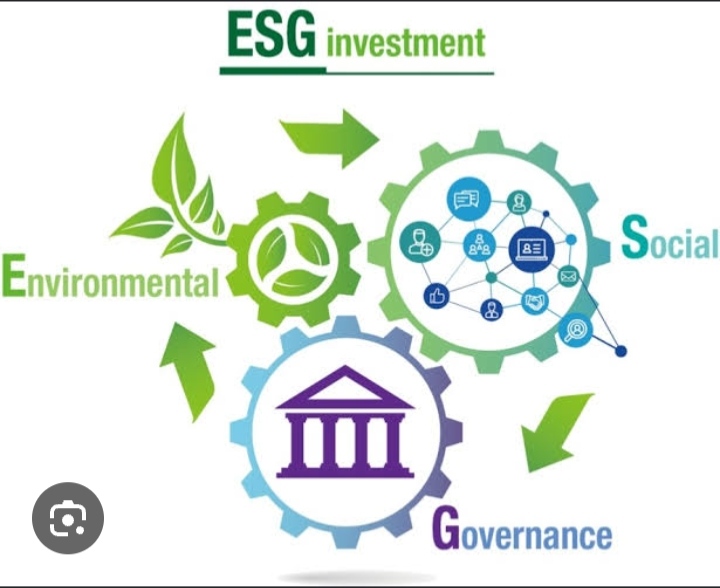
Environmental, Social, and Governance (ESG) investing has become an important topic in today’s investment sector. But what has made it so popular?
A major reason is the growing awareness among people about responsible and sustainable business practices. In India, more investors are showing interest in ESG investing because they want their investments to support companies that follow environmentally friendly, socially responsible, and transparent practices. Unlike traditional investment methods that mainly focus on financial performance, ESG investing also considers a company’s impact on the environment, society, and the way it is managed.
Concerns about climate change, social equality, and better corporate governance have further increased interest in ESG-based investments. This shows that investors are gradually moving towards more responsible and long-term investment choices. As ESG investing continues to develop in India, understanding its meaning and importance can help investors make informed decisions while aiming for financial growth and contributing to positive social and environmental outcomes. Let us understand the concept in detail.
Key Trends in India
Better Corporate Reporting: SEBI has introduced BRSR (Business Responsibility and Sustainability Reporting) requirements for the top 1,000 listed companies, encouraging companies to provide more information about their sustainability and responsible business practices.
Increasing Use of Green Bonds: Green bonds and other forms of green finance are becoming more popular in India. This growth is supported by the country’s climate goals and various policy measures aimed at encouraging sustainable investment.
More ESG Investment Options: Several Indian asset management companies, including SBI, Kotak, and Quantum, have introduced investment products focused on companies that follow strong ESG principles. These include ESG mutual funds and exchange-traded funds (ETFs).
Tips for Beginners
Know How the Fund Selects Companies: Before investing, beginners should understand the method used to choose companies. Some funds exclude businesses involved in activities such as fossil fuels or tobacco, while others prefer companies with stronger ESG performance.
Begin with Diversified Funds: New investors may consider ESG-focused mutual funds, index funds, or fund-of-funds instead of selecting individual companies. Diversification can provide exposure to several companies rather than depending on a single stock.
Consider Long-Term Objectives: ESG investing mainly focuses on reducing risks related to future environmental and regulatory changes, so it is generally more suitable for investors who are willing to stay invested for the long term.
What is ESG Investing?
ESG investing means choosing investments by looking at more than just the profit a company can generate. It also considers how responsibly a company operates in three major areas:
Environmental – This looks at the effect a company’s activities have on nature and the environment.
Social – This considers how a company treats its workers, customers, and the wider community.
Governance – This examines whether the company is managed honestly, responsibly, and transparently.
Traditional investing mainly concentrates on financial performance and returns. ESG investing takes a broader approach by also considering sustainability, responsible business practices, and risks that could affect a company in the future.
Businesses that follow good ESG practices may benefit from a stronger public image and better preparation for environmental, social, and regulatory challenges. For example, they may work to reduce pollution, provide fair working conditions, and maintain transparent decision-making. These practices can help companies manage risks and remain stable over time. In contrast, poor ESG practices can expose businesses to problems such as regulatory penalties, damage to their reputation, financial difficulties, and possible losses.
Why Invest in ESG?
ESG investing is becoming increasingly popular in India as investors become more aware of sustainable businesses and the government introduces policies that encourage responsible investment.
1. Focus on Environmental Sustainability
India is moving towards a greener economy, making environmental sustainability an important part of its development plans. Through its climate commitments under the Paris Agreement, India has set several targets for reducing environmental impact and promoting sustainable development. The country is also working towards achieving the Sustainable Development Goals (SDGs) while maintaining economic growth.
2. Growing Interest from Global Investors
International investors are showing increasing interest in India's ESG opportunities. The growing participation of global ESG funds in Indian companies suggests that international investors are becoming more confident in India's sustainable investment market.
3. ESG Products Offered by Indian Companies
Indian financial institutions and asset managers are also introducing more ESG-oriented investment products. For example, Quantum Asset Management launched an ESG-focused fund in 2019, followed by other investment firms such as Avendus. The introduction of these funds reflects the growing demand for responsible investment options in India.
4. Supportive Government Measures
Government initiatives and regulatory changes are helping ESG investing grow in India. Measures promoting renewable energy, responsible business practices, and greater corporate transparency have strengthened the ESG framework. SEBI's sustainability-related reporting requirements for major listed companies have also encouraged businesses to provide more information about their ESG performance.
5. Easier Comparison of ESG Performance
Investors now have access to sustainability-focused market indices such as the NIFTY 100 ESG Index and the S&P BSE 100 ESG Index. These indices make it easier to compare companies according to their ESG performance and can help investors make better-informed investment decisions.
Types of ESG Investments
ESG investments can be structured in different ways depending on the objectives and preferences of investors. Some of the major types include:
1. Exclusionary ESG Funds
These funds avoid investing in businesses associated with industries that may have significant environmental or social concerns, such as tobacco, alcohol, gambling, or fossil fuels. For example, an ESG fund may remove companies from its portfolio if they fail to meet its predefined sustainability standards.
Thematic ESG Funds
Thematic ESG funds concentrate on specific areas related to sustainability, such as renewable energy, water management, or environmentally friendly agriculture. For example, the Avendus India ESG Fund focuses on companies whose activities are connected with environmental and social objectives.
3. Best-in-Class ESG Funds
These funds select companies that demonstrate strong ESG performance compared with other businesses in the same industry. Rather than completely avoiding particular sectors, they identify and invest in the companies that perform better on environmental, social, and governance factors.
4. Impact Investing Funds
Impact funds are designed to invest in businesses and projects that aim to create measurable positive outcomes for society or the environment. Examples may include renewable-energy ventures, affordable financial services, and projects aimed at improving social welfare.
Financial Performance of ESG Investing in India
The performance of ESG investments in India has experienced both strong interest and certain challenges. ESG mutual funds initially attracted considerable attention as investors looked for investment opportunities that combined financial objectives with responsible business practices. However, investor preferences and market conditions have changed over time. Some recent indicators include:
Growing Assets Under Management: ESG funds in India have accumulated an AUM of around ₹10,946 crore, showing continued investor interest in sustainable investment products.
Interest in Risk-Adjusted Returns: A CFA Institute survey reported that around 60% of Indian investors consider ESG funds because of their potential for better risk-adjusted returns, compared with approximately 29% globally.
Outflows from ESG Funds: Despite this interest, ESG-focused funds recorded a net outflow of approximately ₹891.53 crore in 2023. One possible factor was the strong performance of defence stocks and renewed investor interest in fossil-fuel companies, sectors that are often given lower weight or excluded by ESG-focused investment strategies.
Despite some short-term ups and downs, confidence in ESG investing continues to remain positive. ESG investments are not only connected with ethical and responsible business practices but also offer investors an opportunity to participate in sectors that could play an important role in future economic growth.
Although ESG funds may face temporary challenges because of changing market conditions, their long-term outlook remains encouraging. With greater public awareness, stronger regulations, and increasing attention towards sustainability, ESG investments are likely to become an important part of India's investment landscape. In the long run, they can provide investors with the opportunity to seek financial returns while also supporting environmentally and socially responsible development.
FAQs: ESG Investing Trends in India for Beginners
1. What is ESG investing?
ESG investing is an investment approach that considers a company's environmental, social, and governance practices along with its financial performance.
2. Why is ESG investing becoming popular in India?
ESG investing is gaining attention because of increasing awareness about climate change, responsible business practices, sustainability, and corporate transparency.
3. What does ESG stand for?
ESG stands for Environmental, Social, and Governance. These three factors are used to assess how responsibly a company operates.
4. How does the environmental factor affect ESG investing?
The environmental factor considers issues such as carbon emissions, pollution, energy consumption, waste management, water conservation, and the use of renewable energy.
5. What does the social factor consider?
The social aspect looks at how a company treats its employees, customers, suppliers, and communities. It may include workplace safety, employee rights, diversity, and community development.
6. What is governance in ESG investing?
Governance refers to how a company is managed. It includes areas such as board accountability, ethical leadership, transparency, shareholder rights, and prevention of corporate misconduct.
7. Are ESG investments profitable?
ESG investments can generate financial returns, but they are not guaranteed to outperform conventional investments. Their performance depends on factors such as market conditions, company performance, valuation, and investment strategy.
8. What are ESG funds?
ESG funds are investment funds that select companies based partly on their environmental, social, and governance performance. Investors can gain exposure to a group of companies through these funds.
9. What are the main types of ESG funds?
Common approaches include exclusionary funds, thematic funds, best-in-class funds, and impact investing funds. Each uses a different method for selecting investments.
10. Can beginners invest in ESG funds?
Beginners can explore ESG-focused mutual funds or other diversified investment products after understanding their objectives, risks, fees, and investment strategy.