Local Self Government in India: Urban & Rural Bodies
Local self-government in India is the third level of administration, consisting of rural bodies under the Panchayati Raj system and urban local bodies such as municipalities. The 73rd and 74th Constitutional Amendment Acts of 1992 gave these institutions constitutional recognition and strengthened their role in local governance.
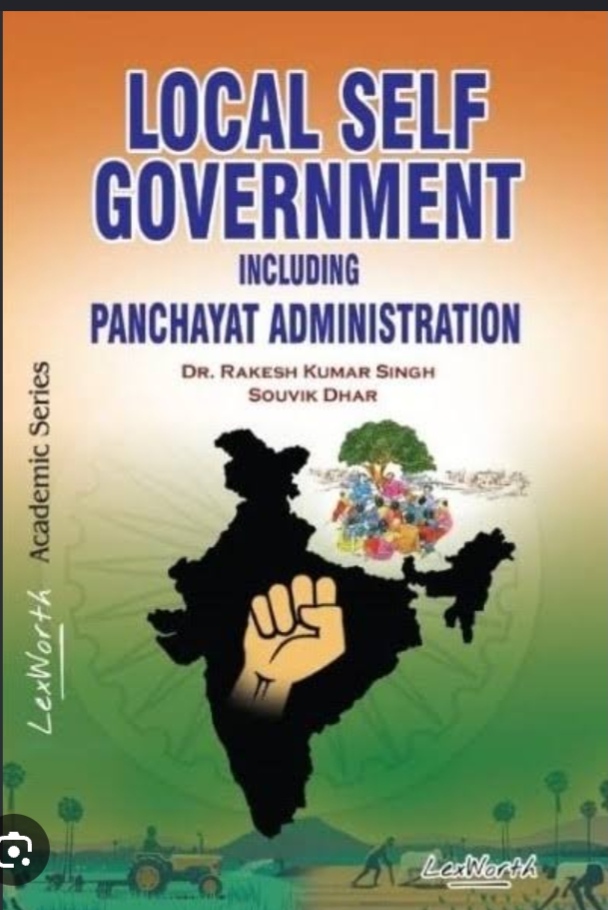
Rural Local Bodies: Panchayati Raj Institutions (PRI)
The 73rd Constitutional Amendment Act of 1992 provided constitutional recognition to Panchayati Raj Institutions and established a three-level system of rural local governance in most states.
Gram Panchayat (Village Level): It is the basic unit of rural administration and may cover a single village or a group of villages. It is generally headed by a Sarpanch. The Gram Sabha, which consists of all registered voters of the village or concerned area, serves as a forum for discussing, monitoring, and reviewing the functioning of the Panchayat.
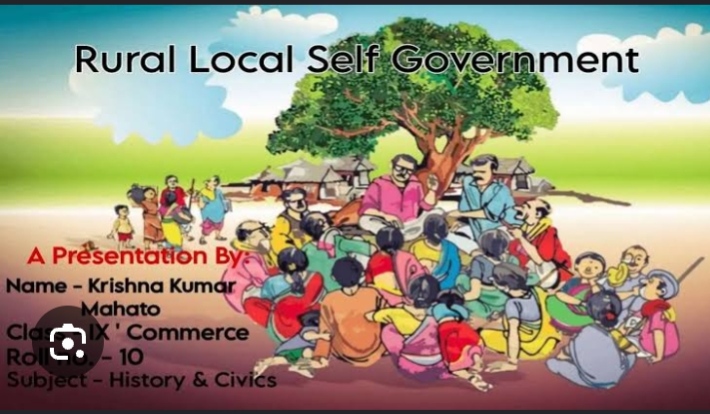
Panchayat Samiti (Intermediate / Block Level): It functions at the block, mandal, or taluka level. It acts as a connecting link between the Gram Panchayat and the district-level administration and helps in implementing and coordinating development programmes.
Zila Parishad (District Level): It functions at the district level and coordinates development activities among the Panchayat Samitis within the district. It serves as the highest level of the Panchayati Raj system at the district level.
Urban Local Bodies (ULBs)
The 74th Constitutional Amendment Act of 1992 gave constitutional recognition to urban local bodies. Depending on the size, population, and nature of an urban area, different types of municipalities are established.
Nagar Panchayat: It is established in an area that is in the process of changing from a rural area into an urban area.
Municipal Council (Municipality): It is generally formed to administer smaller urban areas and provides basic civic services to the people living there.
Municipal Corporation: It is established in larger urban areas and major cities such as Mumbai, Delhi, and Kolkata. These bodies generally have wider administrative and financial responsibilities for managing large and densely populated cities.
Other Urban Bodies: Apart from these constitutional municipal institutions, other bodies associated with urban administration may include Cantonment Boards, Town Area Committees, and Port Trusts, depending on the nature and requirements of the area.
What is Local Self-Government?
Local self-government refers to the decentralisation of administrative powers to the lowest levels of governance. It allows people at the grassroots level to participate directly or indirectly in the administration of their local areas. In this way, it forms an important part of democratic decentralisation and brings governance closer to citizens.
History of Local Administration
The idea of local administration in India has historical roots, although the modern system developed gradually during the British period. Village panchayats were promoted as part of the efforts to provide limited opportunities for local participation and administration. The Government of India Act, 1935 further enabled the provinces to frame laws concerning local administration and governance.
Evolution of Local Self-Government in India
Although different forms of local governance had existed in India for a long time, the makers of the Constitution felt that stronger constitutional direction was necessary. Therefore, Article 40 was included among the Directive Principles of State Policy. It directs the State to organise village panchayats and provide them with the powers and authority required to function as units of self-government.
The development of local self-government in independent India continued through various committees that examined ways to strengthen decentralised administration. Between 1957 and 1986, four major committees made important recommendations regarding the structure, powers, finances, and functioning of local bodies. Their recommendations played an important role in shaping the present system of local self-government in India.
Balwant Rai Mehta Committee (1957)
The Balwant Rai Mehta Committee was set up by the Government of India to review the functioning of two earlier development programmes. The Committee submitted its report in November 1957 and introduced the concept of “democratic decentralisation” in its recommendations.
Major Recommendations
The Committee suggested the following measures:
Three-tier Panchayati Raj: It recommended a three-level system consisting of the Gram Panchayat at the village level, the Panchayat Samiti at the block level, and the Zila Parishad at the district level.
Method of Election: Members of the Gram Panchayat were to be elected directly, while the higher-level bodies were to be formed through indirect elections.
Role of District Collector: The District Collector was recommended to serve as the Chairman of the Zila Parishad.
Devolution of Powers and Resources: Adequate financial resources and administrative powers were to be transferred to local bodies so that they could effectively carry out their responsibilities.
The National Development Council accepted the broad recommendations of the Committee. However, it did not prescribe one uniform model for all states. Instead, states were given flexibility to develop their own Panchayati Raj structures, while keeping the basic principles broadly similar across the country.
Rajasthan became the first state to implement the Panchayati Raj system in 1959, followed by Andhra Pradesh in the same year. Subsequently, some states experimented with variations such as four-tier Panchayati Raj structures and Nyaya Panchayats, which were intended to perform certain local judicial functions.
Ashok Mehta Committee (1977–1978)
The Ashok Mehta Committee was established by the Janata Government to examine the functioning of Panchayati Raj Institutions and suggest measures for improving the system. The Committee presented 132 recommendations, among which the following were particularly significant:
Two-tier structure: It proposed replacing the existing three-tier Panchayati Raj system with a two-level structure.
Role of political parties: Political parties were recommended to take part in Panchayati Raj elections at all levels.
Taxation powers: Panchayati Raj institutions were to be given mandatory taxation powers so that they could generate their own financial resources.
Role of Zila Parishad: The Zila Parishad was proposed to take responsibility for district-level planning and development.
Minister for Panchayati Raj: The Committee suggested that the State Council of Ministers should include a minister specifically responsible for Panchayati Raj affairs.
Constitutional status: It recommended providing constitutional recognition to Panchayati Raj Institutions to strengthen their position and ensure their effective functioning.
However, the recommendations could not be implemented as intended because the Janata Government fell before substantial action could be taken on the Committee's proposals.
FAQs: Local Self-Government in India: Urban & Rural Bodies Explained
1. What is Local Self-Government in India?
Local self-government refers to the system through which people participate in managing and administering their local areas. It decentralises governmental powers and brings administration closer to citizens.
2. What are the two main types of Local Self-Government?
Local self-government in India is broadly divided into:
Rural Local Bodies: Panchayati Raj Institutions (PRIs)
Urban Local Bodies: Municipalities and Municipal Corporations
3. Which Constitutional Amendments gave constitutional status to Local Self-Government?
The 73rd Constitutional Amendment Act, 1992 gave constitutional status to rural local bodies, while the 74th Constitutional Amendment Act, 1992 provided constitutional recognition to urban local bodies.
4. What is the three-tier Panchayati Raj system?
The Panchayati Raj system generally consists of:
Gram Panchayat – Village level
Panchayat Samiti – Block or intermediate level
Zila Parishad – District level
5. What is the Gram Sabha?
The Gram Sabha consists of people registered as voters within a village or Panchayat area. It provides a platform for residents to participate in discussions and oversee matters concerning village development and administration.
6. What are the main types of Urban Local Bodies?
The Constitution provides for three principal categories:
Nagar Panchayat – for transitional areas moving from rural to urban
Municipal Council – for smaller urban areas
Municipal Corporation – for larger urban areas
7. What is the importance of Local Self-Government?
It promotes democratic participation, decentralisation, accountability, and local-level development. It also enables local communities to participate in decisions concerning their immediate needs.
8. What was the Balwant Rai Mehta Committee?
The Balwant Rai Mehta Committee (1957) examined the working of community development programmes and recommended democratic decentralisation through a three-tier Panchayati Raj system.
9. What did the Ashok Mehta Committee recommend?
The Ashok Mehta Committee (1977–78) examined Panchayati Raj Institutions and proposed several reforms, including a two-tier structure, greater involvement of political parties, taxation powers, and constitutional recognition for Panchayati Raj Institutions.
10. What is the significance of Article 40 of the Indian Constitution?
Article 40, included among the Directive Principles of State Policy, directs the State to organise village panchayats and provide them with the powers and authority necessary to function as units of self-government.